

An impinging bite is a severe overbite where the lower front teeth touch the roof of the mouth. If left untreated, this bad overbite can cause gum recession, enamel wear, and jaw pain. Orthodontic treatments like metal braces, clear aligners, or surgical orthodontics effectively correct an impinging overbite and restore facial harmony.
A confident smile is one of the first things people notice about you. But when you are dealing with a severe bite issue, smiling might be the last thing you want to do. You might feel self-conscious about your appearance or experience daily discomfort when eating and speaking.
Understanding your orthodontic health is the first step toward finding relief. Many people wonder what an overbite is and how it differs from more severe conditions. While mild overbites are common and often harmless, deeper issues require professional attention to protect your long-term dental health.
At Explore Orthodontics in Santa Maria, we believe everyone deserves a healthy, beautiful smile without pressure or confusion. This guide will break down everything you need to know about an impinging bite, the risks it carries, and the expert treatments available to fix it.
Key Takeaways
- An impinging bite is a severe malocclusion where lower teeth strike the roof of the mouth.
- Left untreated, this condition can cause permanent damage to your gums, enamel, and jawbone.
- Treatment options range from clear aligners and metal braces to surgical orthodontics for severe cases.
- Early intervention around age seven can help prevent complex bite issues from developing in children.
What exactly is an overbite?
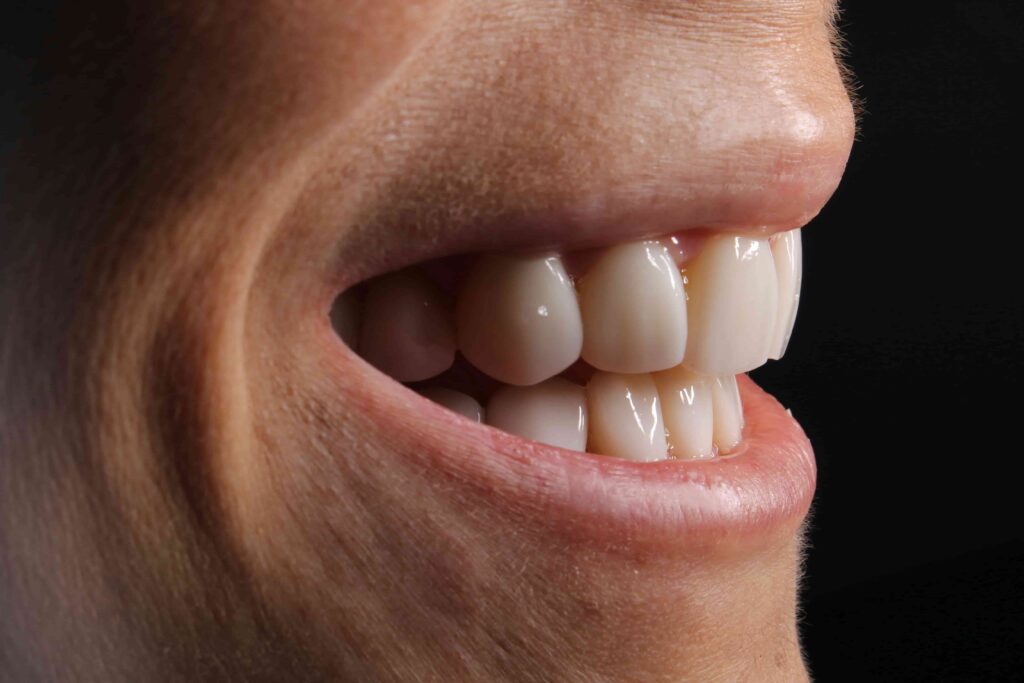
To understand a bad overbite, you first need to know what a normal bite looks like. In a healthy mouth, your upper teeth should rest slightly over your lower teeth, with the molars fitting together perfectly like gears. This alignment allows you to chew food efficiently and speak clearly without placing excess strain on your jaw.
An overbite occurs when the upper front teeth overlap the lower front teeth too much. Orthodontists generally categorize these into horizontal and vertical overbites. A horizontal overbite, or overjet, means the top teeth protrude significantly forward. A vertical overbite, also known as a deep bite, means the top teeth overlap the bottom teeth significantly in a downward direction.
Genetics play a massive role in jaw development, often dictating the size and shape of your mouth. However, childhood habits like prolonged thumb sucking, tongue thrusting, or extended pacifier use can also alter how the jaw and teeth grow, leading to an overbite.
What makes an impinging bite different from a typical overbite?
An impinging bite takes a standard vertical overbite to the extreme. In this severe form of malocclusion, the vertical overlap is so deep that the lower front teeth completely bypass the back of the upper teeth. Instead, they crash directly into the palate, or the roof of the mouth, every time you close your jaw.
Visually, an impinging overbite can dramatically alter your appearance. Because the lower jaw is positioned so far back and over-closes, it often creates what some call a jawline overbite. This can make the chin look weak or receding, and the lower face appear shorter than it actually is.
The main difference between a typical deep bite and an impinging bite is the point of contact. While a standard deep bite might cause the lower teeth to touch the back of the upper teeth, an impinging bite results in direct, harmful contact with the soft tissue of the palate.
What are the risks and symptoms of an impinging overbite?
The continuous pressure of teeth striking the roof of the mouth is incredibly destructive. According to the American Association of Orthodontists, biting into the roof of the mouth can lead to painful sores or ulcers that make eating a daily challenge. Over time, this constant trauma can lead to severe gum recession and even bone loss in the palate.
Dental health implications go beyond just the gums. Because the teeth are misaligned, they often grind against each other unnaturally. This friction strips away protective enamel, leaving teeth vulnerable to decay, sensitivity, and chipping. You might also struggle with speech impediments or find it difficult to chew tough foods properly.
Furthermore, a bad overbite places immense strain on the temporomandibular joint (TMJ). The jaw muscles have to work overtime to accommodate the misalignment, which can lead to chronic headaches, jaw pain, and a clicking or popping sound when you open your mouth.
How does an orthodontist diagnose a bad overbite?
You should never try to self-diagnose or ignore a painful bite. A professional orthodontic evaluation is critical to understanding the exact nature of your jaw alignment. When you visit a specialist, they will take the time to evaluate your facial profile, teeth, and jaw function comprehensively.
During your visit, the orthodontist will use advanced diagnostic tools to get a clear picture of your mouth. This typically involves taking panoramic X-rays to look at the jawbone structure and the roots of your teeth. They will also take digital impressions or photographs to study how your upper and lower arches interact.
If you or your child regularly experience pain when chewing, frequent jaw soreness, or visible damage to the gum tissue behind the upper teeth, it is time to seek professional help. Addressing the problem early can prevent irreversible damage to your teeth and gums.
What are the best treatment options for an impinging bite?
Correcting an impinging bite requires expert care to safely move the teeth and jaw into harmony. Choose traditional metal braces if precise, complex tooth movements matter more than aesthetics. Modern metal braces are highly durable and utilize targeted archwires and elastics to gradually pull the jaw forward and adjust the depth of the bite.
Choose clear aligners if having a removable, nearly invisible option is your top priority. Clear aligners use a series of custom-fit plastic trays to gently shift the teeth. While they offer zero food restrictions and easier brushing, they require strict discipline, as you must wear them for 22 hours a day.
In some instances, your orthodontist may recommend adjunctive treatments like Temporary Anchorage Devices (TADs) to provide a stable anchor for moving stubborn teeth, or bite plates to prevent the lower teeth from hitting the palate during treatment. For adult patients with severe skeletal discrepancies where the jaw has stopped growing, surgical orthodontics might be necessary. This involves working with an oral surgeon to physically reposition the jawbone, followed by braces to finalize the bite.
How can your family prevent a bad overbite early on?
Proactive care is the best way to protect your child’s smile. The American Association of Orthodontists recommends that children have their first orthodontic check-up around age seven. At this stage, adult molars are emerging, and a specialist can identify early signs of an impinging overbite before it becomes severe.
Early intervention, often called Phase One treatment, can guide the growth of the jaw and create space for permanent teeth. This might involve using a palatal expander or specialized appliances to correct harmful habits like thumb sucking. By guiding the jaw while it is still developing, you can often prevent the need for invasive jaw surgery or tooth extractions later in life.
Consistent dental check-ups are also vital. Your general dentist can monitor your child’s bite and refer you to an orthodontist if they notice any red flags. A collaborative approach ensures your child maintains excellent oral health as they grow.
Frequently asked questions about overbites and impinging bites
You likely have a few questions about how this condition impacts your daily life and what to expect from treatment. Here are straightforward answers to the most common concerns patients have regarding impinging bites.
Q: Can an impinging bite correct itself without treatment?
A: No, an impinging bite will not resolve on its own. Because the structural alignment of the jaw and teeth causes the issue, it requires professional orthodontic intervention to move the teeth safely and prevent further trauma to the palate.
Q: How long does it take to fix an impinging overbite?
A: The timeline depends heavily on the severity of the bite and the patient’s age. On average, comprehensive orthodontic treatment for a severe overbite takes between 18 and 36 months, though early intervention in children can sometimes streamline the process.
Q: Are metal braces better than clear aligners for a bad overbite?
A: Both can be highly effective, but traditional metal braces offer more precise control for complex skeletal movements. Clear aligners can correct many overbites, but severe impinging cases often require the heavy lifting that only braces and elastics can provide.
Q: Is jaw surgery always required for an impinging bite?
A: No. Jaw surgery is typically reserved for severe adult cases where the jawbone has stopped growing, making it impossible to fix the bite with braces alone. Many children and teens can correct the issue without surgery by utilizing growth modification appliances.
Ready to start your journey to a healthier smile in Santa Maria?
An impinging bite is more than just a cosmetic concern; it is a serious dental issue that can disrupt your life and compromise your health. By understanding the risks and exploring your treatment options, you can take control of your oral health and protect your smile for the future.
Whether you need traditional metal braces, discreet clear aligners, or early intervention for your child, expert care makes all the difference. At Explore Orthodontics, Dr. Brandon Malan and our team are ready to provide honest guidance and affordable care that feels like family. If you are ready to correct a bad overbite and unlock your most confident smile, schedule a complimentary consultation with us today.