

Braces work by applying gentle, continuous pressure to gradually shift teeth into their correct positions. Most teens wear braces for 18–24 months. Modern options—metal, ceramic, and clear aligners—make treatment more flexible and discreet than ever before, and proper care throughout the process leads to the best results.
Getting braces as a teen can feel like a big deal. There’s the anticipation, the questions, and maybe a little nervousness about what life with brackets and wires actually looks like. But here’s the thing: once you understand the process, the whole experience becomes a lot less daunting.
At Explore Orthodontics in Santa Maria, we work with teens every single day. We know the questions on your mind—how long will this take, will it hurt, can I still eat pizza?—and we want to walk you through the entire journey before you even sit down in the chair. By the end of this guide, you’ll know exactly what to expect, from your first appointment to the day your braces come off.
Key Takeaways
- Braces gradually move your teeth into their ideal positions by applying gentle, consistent pressure over time
- Most teens complete treatment in 18–24 months, though this depends on your specific case and how well you follow care instructions
- The first week involves some soreness, but discomfort is manageable and temporary
- You’ll choose from metal braces, ceramic braces, or clear aligners based on your lifestyle and goals
- Keeping your teeth clean and wearing rubber bands as prescribed makes a significant difference in your results
Why Do Teens Get Braces?
Braces do more than straighten teeth. They correct misaligned bites, close gaps, relieve crowding, and fix overbites or underbites that can affect how you chew and even how you speak. According to HowStuffWorks, roughly 4 million people under the age of 18 in North America are currently wearing braces, and four out of five people in braces are minors. That’s a lot of teens going through exactly what you’re about to experience.
The teen years are actually the ideal window for orthodontic treatment. Your jaw is still developing, which means teeth move more readily and treatment tends to be more efficient. Straight teeth are also easier to brush and floss, which reduces your long-term risk of cavities and gum disease. Addressing these issues now sets you up for a healthier mouth well into adulthood.
If you’re unsure whether you need orthodontic treatment, our orthodontics for teens page breaks down the signs to look for and what the process looks like from start to finish.
What Happens at Your First Orthodontic Appointment?
Your first visit to our Santa Maria office is a free consultation, and it’s completely pressure-free. Dr. Brandon Malan will take digital photographs and X-rays of your teeth and jaw, then perform a thorough examination to understand exactly what’s happening with your bite and alignment.
After the exam, we sit down and walk through everything in plain language. You’ll learn your diagnosis, the treatment options available to you, the estimated timeline, and the total cost—no hidden fees, no surprises. We also work through flexible payment plans at this stage so that the financial side of things feels manageable for your family.
If you’re ready to move forward, we can often place your braces the same day. That means one less trip to the office and one step closer to your new smile.
Which Type of Braces Is Right for You?
One of the first choices you’ll make is which type of braces fits your lifestyle. There’s no single right answer—it depends on your treatment needs, your budget, and how you want to look during treatment.
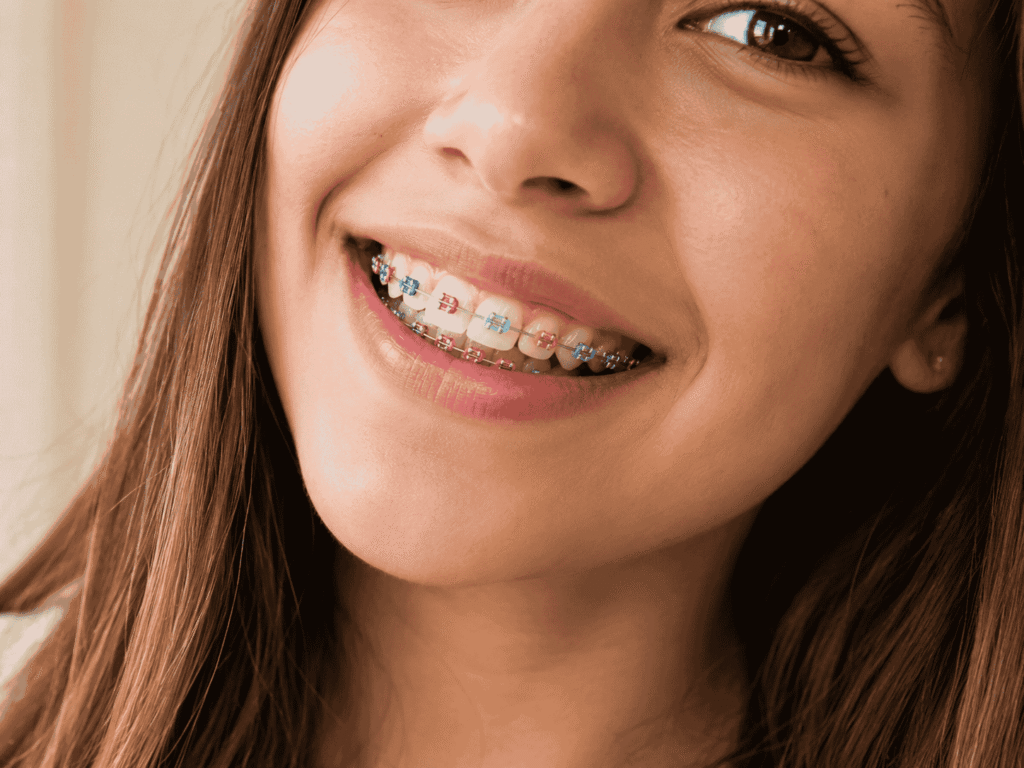
- Traditional metal braces are the most common option and the most effective for complex cases. Modern metal brackets are much smaller and more comfortable than older versions, and you can customize them with colored elastics to show off your school spirit or favorite colors. They’re also the most cost-effective option for most teens.
- Ceramic (clear) braces work exactly like metal braces but use tooth-colored brackets that blend in with your smile. They’re a great middle ground for teens who want effective treatment without the metallic look. Keep in mind that ceramic brackets require slightly more careful brushing to avoid staining.
- Clear aligners offer a virtually invisible alternative. These removable, custom-fit trays are changed out approximately every week and must be worn for at least 22 hours per day to be effective. They allow you to eat without restriction and make brushing and flossing much easier. Learn more about whether aligners might be the right fit for you on our clear aligners page.
Dr. Brandon will help you weigh the pros and cons of each option based on your specific case, not a one-size-fits-all recommendation.
What Is Life With Braces Actually Like Day to Day?
The first week is the hardest part, and even then, it’s manageable. After your braces are placed, you’ll likely feel some soreness and pressure as your teeth begin to shift. Over-the-counter pain relievers like Tylenol or ibuprofen help, and sticking to softer foods like yogurt, pasta, and mashed potatoes for a few days makes things more comfortable.
From there, life with braces becomes routine. You’ll visit us every four to eight weeks for brief adjustment appointments, where we check your progress and make any necessary changes to keep your treatment on track. These visits usually take about 30 minutes.
You can still play sports—just wear a mouthguard to protect your brackets and teeth. Wind instruments take a short adjustment period, but most teens get back to playing comfortably within a few weeks. The foods to avoid are mainly the ones that could bend wires or pop brackets off: hard candies, popcorn, gum, caramel, and anything you’d have to bite into with force (think whole apples and corn on the cob).
How Do You Keep Your Braces Clean and in Good Shape?
Oral hygiene becomes more important—and slightly more involved—once braces are on. Food gets caught around brackets and under wires easily, which is why brushing after every meal (or at least rinsing thoroughly) is strongly recommended. The American Dental Association recommends a soft-bristled toothbrush, which is gentler on both your gums and your brackets.
Flossing with braces takes a bit more effort. A water flosser or orthodontic floss threader makes it much easier to clean between brackets and under wires without the frustration of regular floss. It’s worth the investment.
A few other things to stay on top of: wear your rubber bands exactly as prescribed, because they’re doing critical work in correcting your bite. If a bracket breaks or a wire bends out of place, call us right away rather than waiting for your next scheduled visit. Small issues are easy to fix quickly; ignored ones can slow down your treatment.

Frequently Asked Questions
Q: How long will I have to wear braces?
A: Most teens wear braces for 18–24 months, though some cases are shorter or longer depending on the complexity of your bite and alignment. How closely you follow care instructions—wearing your rubber bands, attending regular adjustments, and maintaining good oral hygiene—has a real impact on your timeline.
Q: Will braces hurt?
A: The process of placing braces is painless. You’ll likely feel some soreness and pressure for a few days after placement and after adjustment appointments. This is your teeth responding to the movement, and it’s normal. Over-the-counter pain relief typically takes care of it within a day or two.
Q: Can I play sports or musical instruments with braces?
A: Yes to both. For contact sports, a mouthguard is a must to protect your brackets and teeth. Wind instrument players usually need a few weeks to adjust, but most teens find their way back to normal playing quickly. Let us know what activities you’re involved in and we’ll give you specific guidance.
Q: What happens after my braces come off?
A: Once your braces are removed, you’ll transition to wearing a retainer to hold your teeth in their new positions. Your teeth have a natural tendency to shift back without one, so consistent retainer wear is essential. Dr. Brandon will walk you through exactly how often to wear it and how to care for it.
Q: How much do braces cost, and are payment plans available?
A: The cost depends on the type of braces and the complexity of your case. During your free consultation, we’ll give you a full, transparent quote with no hidden fees. We also offer flexible, interest-free payment plans and work with most insurance providers to help make treatment as affordable as possible for your family.
Your Smile Is Worth the Journey
Braces are an investment—in your appearance, your oral health, and your confidence. The months go by faster than you’d think, and the result is a smile you’ll have for the rest of your life.
If you’re ready to take the first step, we’d love to meet you. Visit our office in Santa Maria or call us at (805) 998-4040 to schedule your free, no-pressure consultation. Because every great journey starts with a smile.